Why Rear-End Collisions Happen So Often in Florida and How to Prevent Them
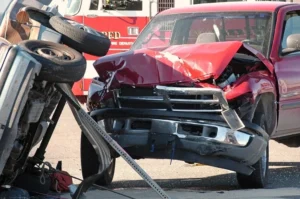
Rear-end collisions happen on roads across the country, but Florida continues to see them at a high rate year after year. These crashes may look simple from the outside, but the causes often involve more than one factor. Heavy traffic, unpredictable driving patterns, distracted motorists, and roadway design all play a part. For drivers in Sunrise and throughout South Florida, knowing why these crashes occur and how to prevent them can make a real difference in staying safe.
Florida’s Traffic Conditions Create Challenges
South Florida’s driving environment is busy, dense, and often stressful. Sunrise sits near several major roadways that carry commuters, tourists, delivery trucks, and seasonal visitors. The traffic mix changes daily, and this alone increases the likelihood of sudden stops and unexpected slowdowns. When cars stack up on crowded roads, even a moment of inattention can lead to a chain reaction.
Drivers in the region deal with stop-and-go traffic more often than they would like. This type of driving leaves little room for error. If the car in front slows down without warning, a distracted or speeding driver may have no time to react. Rear-end collisions become nearly unavoidable in these environments.
Weather also plays a role. Florida’s rainstorms can appear with little warning. Wet pavement makes it harder for tires to grip the road, increasing stopping distance. Sun glare is another issue, especially during early mornings and late afternoons. These conditions affect how quickly drivers see and respond to changing traffic.
Distracted Driving Continues to Be a Major Problem
One of the most common causes of rear-end crashes in Florida is distracted driving. While cell phone use receives most of the attention, distractions come in many forms. A driver adjusting the radio, reaching for something on the seat, or talking to passengers can lose focus in an instant.
The problem is that traffic in South Florida rarely moves at a steady pace. Conditions change quickly, and drivers must stay alert. When someone’s attention drifts for even a few seconds, the car in front may have already stopped or slowed down. Rear-end collisions can happen before the distracted driver realizes what is happening.
Texting remains one of the worst distractions. Looking down at a screen makes it impossible to monitor the road effectively. Even hands-free systems can take a driver’s mind away from their surroundings. This mental distraction slows reaction time and increases the risk of hitting another vehicle.
Tailgating Leads to Preventable Crashes
Following too closely, or tailgating, is another factor behind a large number of rear-end accidents. Many drivers underestimate how much space they need to come to a full stop, especially at higher speeds. When traffic is heavy, some drivers feel pressured to stay close to the vehicle ahead of them. This habit leaves no margin for sudden braking or unexpected hazards.
A safe driving distance gives a motorist enough room to react. Without it, a driver has almost no options when something changes up ahead. Sunrise is surrounded by busy corridors where sudden stops are common. Tailgating in these areas turns normal traffic patterns into dangerous situations.
Drivers sometimes tailgate out of frustration. Congestion can be irritating, but staying too close to another vehicle rarely makes traffic move faster. Instead, it raises the odds of causing a collision that could have been prevented with a few extra feet of space.
Speeding Makes Rear-End Collisions More Severe
Speeding remains a leading cause of many types of crashes, but it plays a special role in rear-end collisions. Higher speeds reduce the time available to process what is happening on the road. Even a difference of 5 to 10 miles per hour can make a big impact on stopping distance.
In Sunrise and nearby areas, speeding often occurs on long straight stretches or when drivers become impatient with slow traffic. But the faster a vehicle travels, the harder it becomes to stop safely. When the car ahead slows down, the speeding driver may not have enough time to react.
Rear-end collisions that occur at higher speeds usually cause more serious injuries. The force of impact increases, and both vehicles may sustain significant damage. These crashes often lead to claims involving medical treatment, lost wages, and property repairs.
Sudden Stops and Unpredictable Traffic Patterns
Florida roads can be unpredictable for a variety of reasons. Heavy tourism brings drivers who may not know the area well. Visitors often brake suddenly when they miss a turn or realize they are in the wrong lane. Locals are accustomed to these situations, but even they cannot always avoid a sudden stop in front of them.
Construction zones also contribute to confusion. Lane shifts, uneven pavement, and temporary signals can catch drivers by surprise. When someone brakes abruptly or changes lanes without signaling, a rear-end collision can happen in seconds.
Sunrise and the surrounding communities experience frequent traffic light changes during peak hours. Short yellow lights and inconsistent timing can cause some drivers to stop quickly while others try to make it through. The mixed reactions increase the chance of a rear-end crash right at the intersection.
Poor Vehicle Maintenance Can Increase the Risk
Mechanical issues are another overlooked factor. Worn brake pads, bald tires, and malfunctioning brake lights can all play a role in causing a rear-end collision. If a driver cannot stop properly because their brakes are worn, they have already put themselves and others at risk.
Brake lights are especially important. When they fail, the driver behind may not realize the car is slowing down. This creates a dangerous situation even if traffic is light. Regular maintenance reduces the risk of mechanical failure and helps keep everyone safer on the road.
Preventing Rear-End Crashes Starts with Small Habits
Most rear-end collisions are preventable, and avoiding them often comes down to everyday habits. A few simple adjustments can create safer conditions for everyone.
One of the most effective steps is maintaining a safe following distance. Leaving extra space allows drivers to react to sudden changes. The general rule is to keep at least three seconds of distance, and more if the weather is bad. In heavy rain, drivers may need double that time to slow down safely.
Staying alert is another key habit. Drivers should keep their eyes on the road and avoid multitasking. Even hands-free devices can create enough distraction to cause a crash. If something requires immediate attention, pulling over is always the safer option.
Slowing down also helps. Speeding contributes to many rear-end collisions, and reducing speed allows for better control. In busy areas around Sunrise, moderating speed can give drivers the reaction time they need to avoid a crash.
Checking vehicle maintenance is another form of prevention. Healthy brakes, tires, and lights help ensure a car can stop as expected. Regular inspections and basic upkeep go a long way in preventing avoidable accidents.
Legal Considerations After a Rear-End Collision
Rear-end crashes often look straightforward, but the legal process can be more complex. Florida uses a no-fault insurance system, which means injured drivers typically start with their own insurance for medical expenses. However, serious injuries may allow a person to pursue a claim against the at-fault driver.
Determining who is responsible is not always as simple as it seems. While the rear driver is usually presumed to be at fault, there are situations where the lead driver may share responsibility. Sudden lane changes, brake-checking, and malfunctioning brake lights can complicate the claims process.
In these situations, evidence becomes important. Photos, witness statements, video footage, and repair records all help show what caused the collision. An attorney can guide injured drivers through these details and ensure their rights are protected.
Conclusion
Rear-end collisions happen for many reasons. Some involve traffic patterns, others come from driver behavior, and a few stem from mechanical problems. In Florida, the combination of crowded roads, sudden storms, and a steady flow of visitors makes these crashes more common than they should be.
The good news is that many rear-end accidents are preventable. Safer habits, consistent awareness, and responsible driving can reduce the risk. For those who have already been injured, knowing how these crashes occur can also help them understand their options moving forward.
If someone is involved in a rear-end collision in Sunrise or the surrounding area, they do not have to navigate the legal system alone. Support is available, and the right guidance can make a difficult situation easier to manage.

John Pape is the Managing Partner at Weston & Pape and has more than 30 years of experience representing injured clients across Florida. A summa cum laude graduate of the University of Miami School of Law, he has devoted his entire career to personal injury cases, including motor-vehicle accidents, wrongful death, and nursing-home neglect. Recognized by Verdict7, The National Trial Lawyers Top 100, and Premier Lawyers of America, John is known for his thorough preparation and commitment to achieving meaningful results for his clients.

 Call Us Today
- It's Free
Call Us Today
- It's Free