Staying Safe as a Pedestrian in Florida’s Busy Tourist Areas
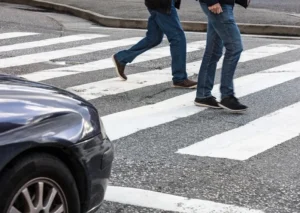
Florida is a top destination for tourists, drawing millions of visitors every year to its beaches, attractions, and city streets. While the influx of people creates a vibrant atmosphere, it also increases risks for pedestrians. Busy tourist areas can be challenging to navigate safely, and accidents can happen quickly. Understanding the risks and knowing how to protect yourself is crucial for anyone walking through these crowded streets.
Understand the Risks in Tourist Areas
Tourist areas often have more foot traffic than local neighborhoods. Visitors may be unfamiliar with local traffic patterns or distracted by attractions. Drivers, too, face unusual conditions, from heavy congestion to pedestrians crossing unexpectedly. This combination creates a higher likelihood of pedestrian accidents. According to Florida traffic data, pedestrian collisions are more frequent in urban and tourist-heavy zones, making safety awareness essential.
Use Crosswalks and Follow Signals
One of the most effective ways to stay safe is to use crosswalks and follow pedestrian signals. Even in areas where crossing outside marked lines seems convenient, the risk of being hit by a vehicle increases. Crosswalks are designed to make pedestrians visible to drivers. Waiting for signals to change gives both you and the driver a clear understanding of when it is safe to cross.
Stay Alert and Minimize Distractions
Paying attention to your surroundings is another key step. Tourists often rely on maps or their phones while walking, which can lead to accidents. Avoid distractions by keeping your head up and your eyes on traffic. Listening to music with headphones at high volume can also prevent you from hearing warnings such as car horns or emergency vehicles. Staying alert is a simple but effective way to reduce the risk of injury.
Make Yourself Visible
Visibility is especially important during dawn, dusk, and nighttime hours. Many tourist areas have bright lights, but shadows, parked vehicles, or large groups of people can obscure pedestrians. Wearing bright or reflective clothing helps drivers see you from a distance. If you are walking in poorly lit areas, carry a flashlight or use the light on your phone to make yourself more noticeable.
Be Cautious in Bad Weather
Florida weather can create additional hazards. Rain often reduces visibility for both drivers and pedestrians, and wet surfaces increase stopping distances. After heavy rain, streets may have puddles or slippery patches, which can cause you to slip or lose balance. Slowing down, taking extra care while crossing streets, and avoiding running on slick surfaces can help prevent accidents.
Watch for Bicycles, Scooters, and Ride-Share Vehicles
Drivers are not the only hazard in crowded areas. Bicycles, scooters, and ride-share vehicles are common in tourist districts. These modes of transportation can move quickly and may weave through pedestrian zones. Stay aware of your surroundings and avoid walking in bike lanes or areas designated for other vehicles. Always make eye contact with approaching riders when possible to ensure they see you.
Plan Your Route Ahead
Planning your route ahead of time can reduce risk. Tourist maps often show main streets and busy intersections, but they may not indicate areas with heavy traffic or limited pedestrian access. Choose routes with wider sidewalks, crosswalks, and pedestrian signals when possible. Avoid shortcuts through parking lots or alleyways, which can be dangerous due to limited visibility and unexpected vehicle movement.
Know Local Traffic Laws
Education about local traffic laws can also protect pedestrians. Florida law requires drivers to yield to pedestrians in crosswalks, but this does not guarantee safety. Being informed about right-of-way rules and typical driver behaviors can help you anticipate potential hazards. Some cities also have pedestrian safety programs or signage in tourist areas that provide guidance on safer walking practices.
Be Prepared for Emergencies
In addition to preventive measures, being prepared for emergencies is important. Carry a phone and know local emergency numbers. If an accident occurs, seek medical attention immediately, even if injuries appear minor. Some injuries, like concussions or internal bleeding, may not be obvious at first but require prompt evaluation. Documenting the incident, including photographs of the scene and witness contact information, can be helpful for insurance or legal purposes.
Rely on Street Design for Safety
Personal responsibility is only part of pedestrian safety. Local governments also play a role by designing streets that protect walkers. Measures such as pedestrian islands, raised crosswalks, and traffic-calming devices can reduce accidents in high-traffic tourist zones. Being aware of these safety features and using them can lower your risk.
Manage Distractions and Supervise Vulnerable Pedestrians
Tourist areas often include distractions like street performers, outdoor dining, and busy storefronts. While enjoying the atmosphere, avoid stepping into the street without checking for traffic. Children and elderly pedestrians require extra caution as they may move more slowly or unpredictably. Supervising children closely and assisting those who need help crossing streets can prevent accidents.
Know Your Rights
Florida has seen a rise in pedestrian accidents in areas with heavy tourism. Many of these incidents involve distracted walking or drivers failing to yield. By combining awareness, adherence to traffic laws, and practical safety measures, pedestrians can significantly reduce their risk of injury. Accidents may still happen, but understanding your rights and seeking professional guidance can protect you if you are injured.
Conclusion
Walking in Florida’s busy tourist zones requires vigilance. Using crosswalks, staying alert, dressing for visibility, planning your route, and understanding local traffic rules are all essential steps. Tourists and locals alike benefit from being mindful of the unique hazards these areas present. Taking simple precautions can help ensure your visit is both enjoyable and safe.

John Pape is the Managing Partner at Weston & Pape and has more than 30 years of experience representing injured clients across Florida. A summa cum laude graduate of the University of Miami School of Law, he has devoted his entire career to personal injury cases, including motor-vehicle accidents, wrongful death, and nursing-home neglect. Recognized by Verdict7, The National Trial Lawyers Top 100, and Premier Lawyers of America, John is known for his thorough preparation and commitment to achieving meaningful results for his clients.

 Call Us Today
- It's Free
Call Us Today
- It's Free