


What Is a Letter of Protection and How Does It Help Injury Victims in Florida in Fort Lauderdale?
After a serious accident in Fort Lauderdale, one of the most immediate practical problems an injured person faces is how to pay for medical care while their personal injury claim is still unresolved. Health insurance may not cover all treatment, PIP coverage runs out quickly, and many specialists who treat accident-related injuries operate outside standard insurance networks. A letter of protection is a legal tool that addresses this gap, allowing injured people to receive necessary medical treatment now while agreeing to pay the provider from the proceeds of their settlement or judgment later. Understanding how this arrangement works and when it makes sense helps accident victims make informed decisions about their care and their claim.
What a Letter of Protection Is
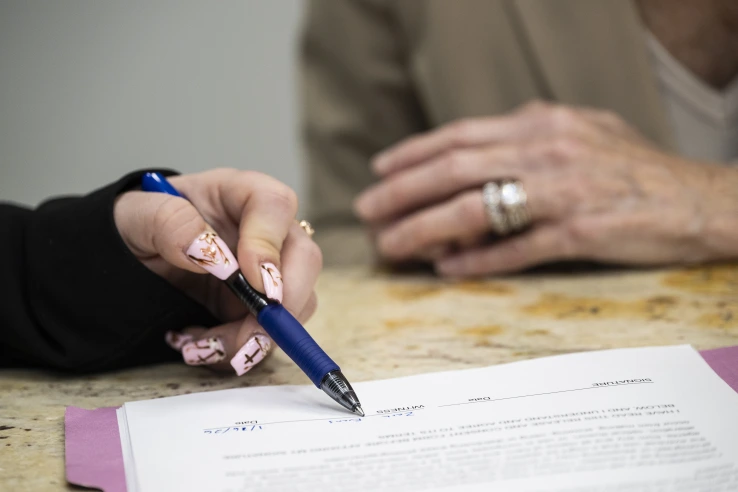
A letter of protection, commonly called an LOP, is a written agreement between an injured person, their attorney, and a medical provider. It states that the provider will treat the patient and defer payment until the personal injury case is resolved. In exchange, the provider receives a lien on any settlement or judgment proceeds, giving them a legal right to be paid from those funds when the case concludes.
From the injured person’s perspective, a letter of protection allows access to medical specialists, surgeons, imaging centers, and physical therapists who might not otherwise treat patients without upfront payment or adequate insurance. In Fort Lauderdale, where accident victims often need orthopedic surgeons, neurologists, and pain management specialists, letters of protection are a common and widely understood tool in the personal injury context.
How Letters of Protection Work in Practice
When an attorney sends a letter of protection to a medical provider, the provider agrees to treat the patient with the understanding that payment will come from the eventual resolution of the case. The provider bills for their services at their stated rates, and that bill represents a lien against any recovery. At settlement, the attorney disburses funds to satisfy medical liens, attorney fees, and other costs before the client receives their net proceeds.
Because LOP providers defer payment and accept collection risk, their rates are sometimes higher than what a health insurer would negotiate. Defense attorneys in personal injury cases sometimes use the existence of high LOP bills to argue that the medical treatment was unnecessary or inflated. This is a common challenge in Fort Lauderdale litigation, and an experienced attorney can address it by establishing the medical necessity of the treatment and the reasonableness of the charges in the context of the local market.
When a Letter of Protection Makes Sense
A letter of protection is most useful when an injured person lacks sufficient health insurance to cover the specialists they need, when PIP coverage has been exhausted, or when a provider requires payment arrangements that make immediate out-of-pocket payment impossible. It allows treatment to proceed without delay, which is important both for the patient’s health and for the legal case, since continuous, documented medical care strengthens the connection between the accident and the injuries claimed.
It is not a cost-free arrangement. The lien created by an LOP reduces the net proceeds the injured person ultimately receives. An attorney can sometimes negotiate LOP balances down at the conclusion of a case, particularly when the total recovery requires balancing multiple liens against the client’s net recovery. Understanding this dynamic upfront helps set realistic expectations about what a settlement will actually put in your pocket after all obligations are satisfied.
Frequently Asked Questions
Does every medical provider in Fort Lauderdale accept letters of protection?
No. Whether a provider accepts an LOP depends on their individual practice and policies. Many specialists who regularly work with accident victims are familiar with and willing to accept LOPs. Others require payment at the time of service or through traditional insurance. Your attorney can typically help identify providers who work on this basis.
Can an LOP provider sue me if my case does not settle?
The specific terms of an LOP vary. Generally, if a case does not resolve, the provider may pursue collection for the outstanding balance. Understanding the terms of any LOP before signing is important, and your attorney should explain what happens to provider obligations if the case is unsuccessful.
Will the insurance company use my LOP bills against me at trial?
Defense attorneys frequently attempt to challenge LOP charges as inflated or evidence of treatment driven by litigation rather than medical need. An experienced personal injury attorney anticipates this and prepares evidence establishing the medical necessity and reasonableness of the treatment provided.
Can I use my health insurance instead of an LOP?
Using health insurance when available is often a better option because it typically results in lower total medical bills after negotiated rates. However, not all accident-related care is covered by health insurance, and some providers do not participate in specific networks. Your attorney can help evaluate the best approach for your situation.
What happens to LOP balances at settlement?
LOP balances are paid from settlement proceeds before the client receives their portion. Attorneys often negotiate with LOP providers to reduce outstanding balances, particularly when doing so is necessary to ensure the client receives a meaningful net recovery after all liens are satisfied.
Weston & Pape Helps Fort Lauderdale Injury Victims Access the Care They Need
Navigating the medical and financial complexity of a serious injury claim in Fort Lauderdale requires legal experience and practical knowledge of how the system works. Weston & Pape can help you understand your options for accessing care, manage medical liens, and pursue the full compensation you may be entitled to. Contact us today to schedule a free consultation.

John Pape is the Managing Partner at Weston & Pape and has more than 30 years of experience representing injured clients across Florida. A summa cum laude graduate of the University of Miami School of Law, he has devoted his entire career to personal injury cases, including motor-vehicle accidents, wrongful death, and nursing-home neglect. Recognized by Verdict7, The National Trial Lawyers Top 100, and Premier Lawyers of America, John is known for his thorough preparation and commitment to achieving meaningful results for his clients.