


Car Accidents on Florida’s Bridges and Causeways: Unique Legal Considerations in Tamarac
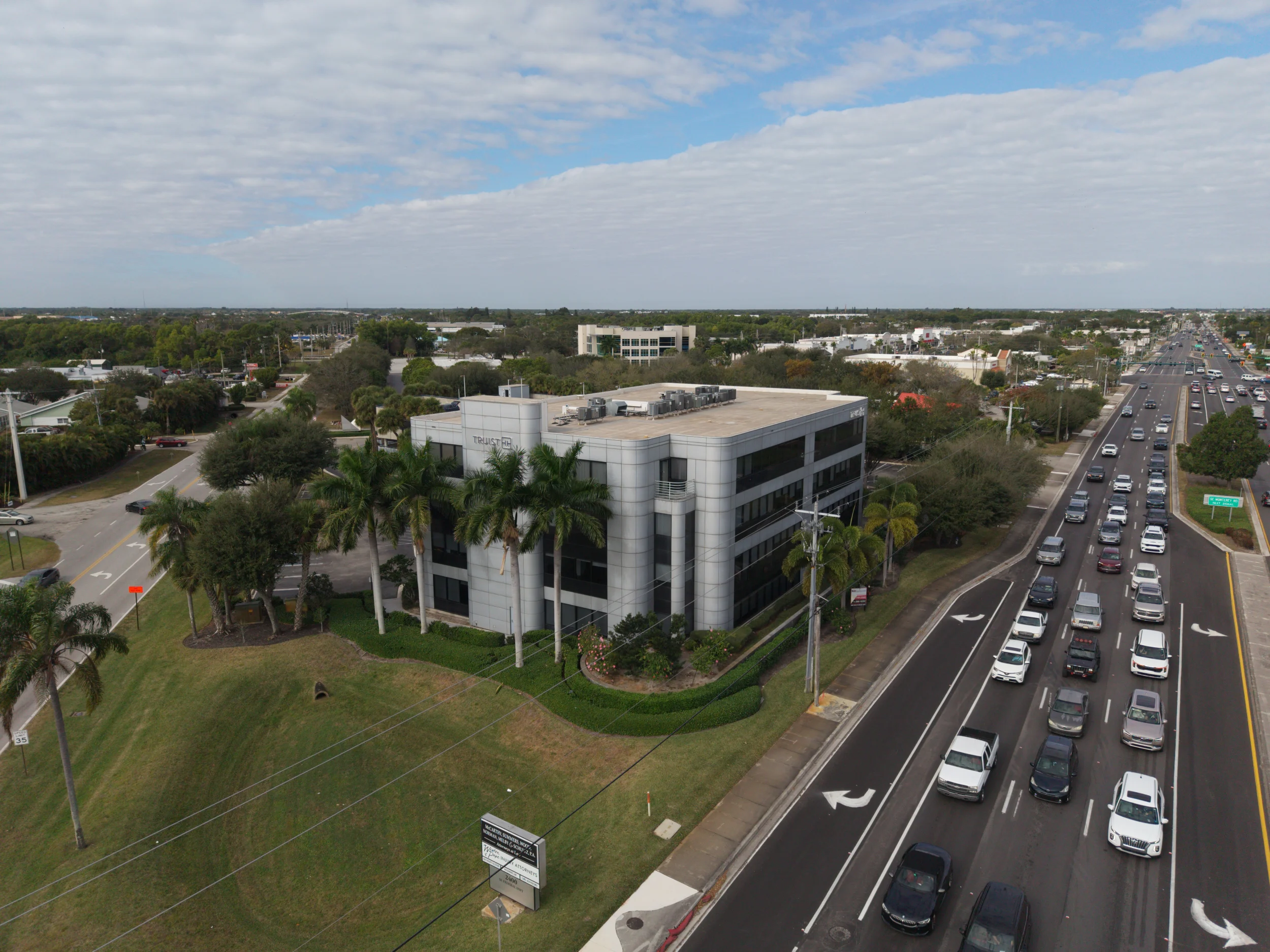
Tamarac and the surrounding Broward County area are connected by a network of bridges and causeways that carry daily traffic across canals, waterways, and intracoastal areas. While not every Tamarac resident crosses a major bridge or causeway during their daily commute, many regularly travel routes that incorporate elevated structures, drawbridge approaches, and causeway sections where traffic patterns, sight lines, and road conditions differ from standard surface streets. Accidents on these structures raise legal questions that do not arise in ordinary road crashes, and understanding those questions is important for anyone injured in a bridge or causeway collision in or near Tamarac.
Why Accidents on Bridges and Causeways Are Different
The physical environment of a bridge or causeway creates hazards that are distinct from open roadways. Lane widths are often narrower than on comparable surface roads. Barrier walls or guardrails eliminate the shoulder space that exists on most highways, leaving no margin for error in a near-miss situation. Elevation changes at bridge approaches and the transition between bridge and road surfaces can produce abrupt changes in pavement quality and traction. Crosswinds on elevated spans affect vehicle stability, particularly for high-profile vehicles, motorcycles, and cyclists.
Traffic control on drawbridges creates bottleneck conditions where vehicles stop and start unpredictably. Rear-end collisions are particularly common at drawbridge approaches, where vehicles that are accustomed to highway speeds must decelerate rapidly for bridge openings. In the Tamarac area, waterway crossings on Commercial Boulevard and McNab Road experience these conditions regularly, and accidents in these zones often involve the stop-and-go dynamics that produce rear-end collisions with serious soft tissue and spinal consequences.
Determining Liability on Bridge and Causeway Accidents
Liability in a bridge or causeway accident follows the same basic framework as any other Florida car accident, with the addition of potential claims against governmental entities when the structure’s design, maintenance, or signage contributed to the crash. If poor lighting at a bridge approach, inadequate warning signage about a lane narrowing, or a road surface defect on a bridge deck contributed to the accident, the agency responsible for that structure may share liability.
Claims against Florida government entities, whether the Florida Department of Transportation, Broward County, or a municipal authority, are subject to the sovereign immunity provisions of Florida Statutes Section 768.28. These provisions require a pre-suit written notice to be filed with the relevant agency before a lawsuit can be brought, and they impose caps on damages in some circumstances. The notice requirements are procedurally distinct from standard personal injury claims and must be handled correctly to preserve the right to sue.
Insurance Considerations for Bridge and Causeway Crashes
Florida’s no-fault PIP system applies to bridge and causeway accidents just as it does to all other car accidents in the state. The 14-day deadline for seeking medical treatment to preserve PIP benefits runs from the date of the accident regardless of where it occurred. Serious injury threshold analysis determines whether a tort claim for pain and suffering is available against the at-fault driver. These rules apply uniformly across accident locations in Florida.
The added dimension in bridge accidents involving government entities is that the sovereign immunity cap on damages against government defendants is currently $200,000 per person and $300,000 per occurrence for claims against Florida state agencies and subdivisions, subject to legislative exceptions. For catastrophic injury claims, this cap can become a significant limitation, making it essential to identify and pursue all available avenues of recovery from private parties as well.
| Claim against the at-fault driver | Claim against a government entity | |
| Who may be responsible | The driver who caused the crash | The agency responsible for the structure, such as FDOT, Broward County or a municipal authority |
| Basis for the claim | The same framework as any other Florida car accident | Design, maintenance or signage problems, such as poor lighting, inadequate lane-narrowing signage or a bridge deck surface defect |
| Before filing a lawsuit | Standard personal injury claim process | Written pre-suit notice to the agency under Florida Statutes Section 768.28 |
| Limits on recovery | The at-fault driver’s insurance, supplemented by your own uninsured and underinsured motorist coverage | Sovereign immunity cap of $200,000 per person and $300,000 per occurrence, subject to legislative exceptions |
| Timing | Two-year statute of limitations for personal injury claims | Two-year statute of limitations, but the notice process takes time and should begin promptly |
Frequently Asked Questions
Can I sue FDOT or Broward County if a road defect on a bridge caused my accident?
Yes, subject to Florida’s sovereign immunity rules. You must file a written pre-suit notice with the appropriate agency before bringing a lawsuit, and the damages cap applicable to government entities may affect the maximum recovery available from that source. An attorney can evaluate whether a government entity bears responsibility and ensure all procedural requirements are met.
What if my accident occurred when a drawbridge opened unexpectedly?
Drawbridge operations are typically governed by the agency responsible for the structure. Improper bridge operation or inadequate warning of an imminent opening could support a claim against the governmental entity operating the bridge. Evidence of the sequence of events, including camera footage and bridge operation logs, would be central to that claim.
Does Florida’s 14-day PIP requirement apply to bridge accidents?
Yes. The 14-day deadline for seeking medical treatment to preserve PIP benefits applies to all car accidents in Florida regardless of where they occur. Seeking medical evaluation within that window protects your access to your own PIP coverage.
How long do I have to file a claim against a government entity for a bridge accident in Florida?
The pre-suit notice requirement under Section 768.28 must be fulfilled before a lawsuit can be filed. While the statute of limitations for personal injury claims is two years from the accident date, the notice process takes time and should be initiated promptly. Consulting an attorney as soon as possible after the accident is advisable.
What if the at-fault driver’s insurance is insufficient to cover my injuries from a serious bridge accident?
Uninsured and underinsured motorist coverage on your own policy can supplement inadequate at-fault driver coverage. Claims against government entities provide an additional avenue where road or structure conditions contributed to the accident. An attorney can identify and pursue all available sources of compensation.
Weston & Pape Handles Bridge and Causeway Accident Claims for Tamarac Residents
Accidents on bridges and causeways in and around Tamarac involve legal complexity that standard car accident cases do not. Weston & Pape can evaluate all aspects of your claim, including potential government liability, and pursue the full compensation you may be entitled to. Contact us today to schedule a free consultation.

John Pape is the Managing Partner at Weston & Pape and has more than 30 years of experience representing injured clients across Florida. A summa cum laude graduate of the University of Miami School of Law, he has devoted his entire career to personal injury cases, including motor-vehicle accidents, wrongful death, and nursing-home neglect. Recognized by Verdict7, The National Trial Lawyers Top 100, and Premier Lawyers of America, John is known for his thorough preparation and commitment to achieving meaningful results for his clients.